Blog
Product updates, developer guides, and telematics tutorials.
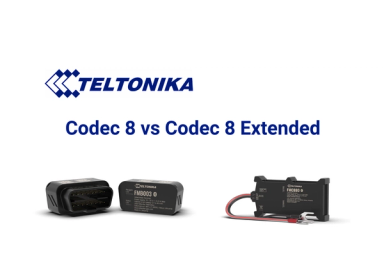
Teltonika Codec8 vs Codec8 Extended - What's the Difference and When Does It Matter
Codec8 and Codec8 Extended share the same outer structure but differ in IO element layout. Know the difference before your parser silently breaks.
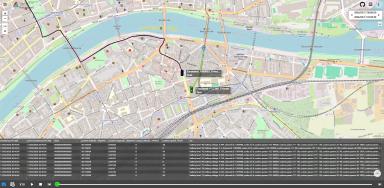
How to Simulate a Moving Vehicle in a Telematics Integration Test
Static GPS coordinates aren't enough. Learn how to simulate realistic vehicle movement for telematics integration tests - without a real car.
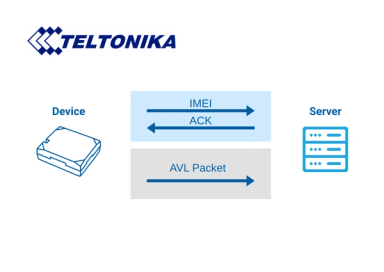
How to Send Teltonika Telemetry to a Custom TCP Server
A practical guide to receiving Teltonika telemetry on a custom TCP server - IMEI handshake, Codec8 parsing, ACK format, and how to test without hardware.
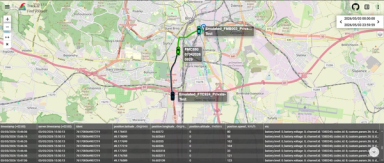
How to Test a Teltonika GPS Integration Without Physical Hardware
Stop waiting for hardware. Test your Teltonika GPS integration from day one using a software emulator that sends real Codec packets to your server.
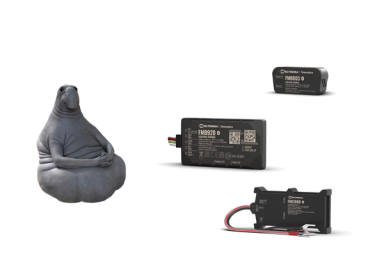
Why Telematics Developers Waste Weeks Waiting for Test Devices - and How to Fix It
Hardware delays cost telematics teams weeks of development time. Learn how to decouple your workflow from physical devices and ship faster.
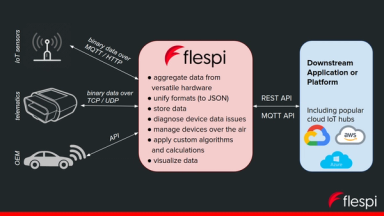
What is Flespi and How Does It Work with Teltonika Devices
What Flespi is, how it fits into a Teltonika telematics stack, and how to test your Flespi integration without waiting for physical hardware.
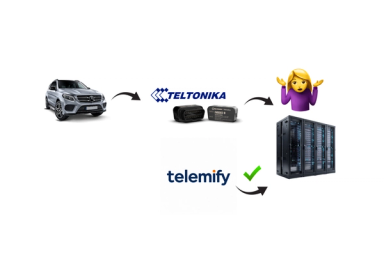
Testing Teltonika Codec8 AVL Data Without a Real Device
Test your Teltonika Codec8 AVL parser without a physical device. Validate handshake behaviour, IO parameters, and edge cases entirely in software.
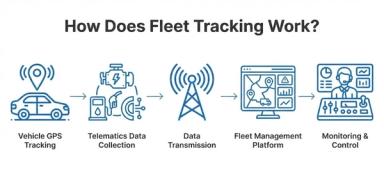
How Fleet Tracking Systems Receive and Process Telemetry Data
From GPS sensor to dashboard: how fleet tracking systems collect, encode, transmit, parse, and process Teltonika telemetry data.